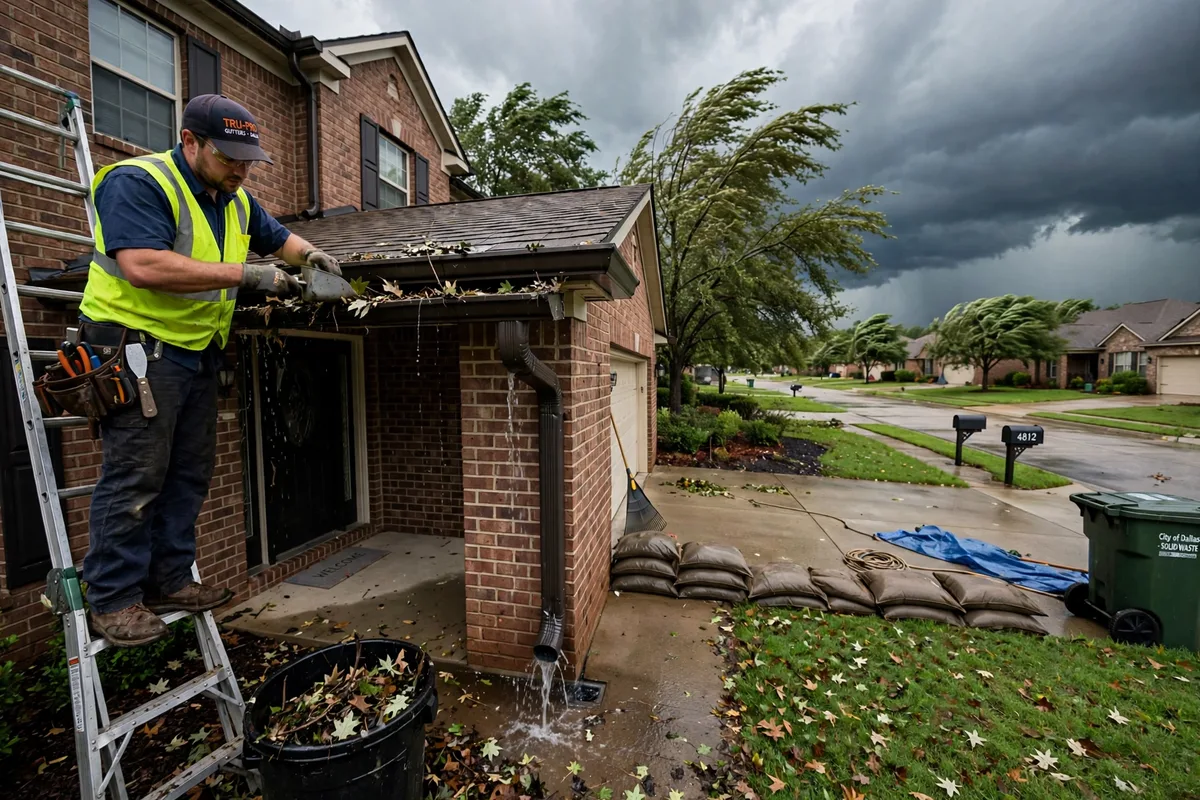
Dallas Home Storm Prep Services Before Heavy Rain: Emergency Crew on Standby
TLDR
- What is a Dallas storm prep service?: A pre-storm inspection and fix-up of roof, gutters, drainage, sump protection, and flood barriers — so heavy rain stays outside your home.
- When should I book storm prep in Dallas?: Before the forecast rain window, not during it — crews book out fast once a storm warning lands, and emergency rates apply after water is already inside.
- What does storm prep cost in Dallas?: A prep visit is a fraction of a restoration job — most storm water restoration jobs in Dallas land between $2,500 and $7,500 once water gets in.
- What if water gets in anyway?: Water Damage Restoration Dallas answers 24/7, dispatches the same day, arrives in around 60 minutes, and gives free estimates: +1 214-807-4697.
- What fails first in a Dallas storm?: Clogged gutters and downspouts, flat or negative grading at the foundation, unsealed basement entries, and sump pumps nobody tested since last season.
- Does homeowner insurance cover storm flooding?: Sudden storm water damage is usually covered; rising flood water from outside needs a separate flood policy — the distinction decides claims.
- How fast does mold start after storm water?: Mold can start growing in wet materials within 24–48 hours, which is why drying after a storm cannot wait for the weekend.
🚨 HEAVY RAIN COMING TO DALLAS? Book storm prep now — before the rain, not after the flood. We inspect and secure your home ahead of the storm, and our emergency crew stays on standby 24/7 with around 60-minute arrival and free estimates if water gets in anyway.
📞 Book Storm Prep Now: +1 214-807-4697
Dallas sits in Flash Flood Alley, and the pattern repeats every storm season: a heavy rain forecast lands, every restoration company books out, and the homes that flood are usually the ones with a preventable failure — a clogged gutter, a downspout dumping at the foundation, a sump pump that had not run since last year. Storm prep services exist to close those gaps before the rain, not after it. A crew walks the roof, gutters, grading, drains, and entry points, fixes what can be fixed same-day, and stages your home so that when the storm hits, water has somewhere to go that is not your living room. Water Damage Restoration Dallas runs storm prep visits across Dallas — Downtown, Uptown, Lakewood, Frisco, and Plano — and keeps its 24/7 emergency restoration crew on standby for the homes that still take water. However, prep is a booking, not a wish: once the rain starts, every crew in the city is on emergency calls, and a prep visit becomes a restoration job at restoration prices.
What does a storm prep visit actually cover?
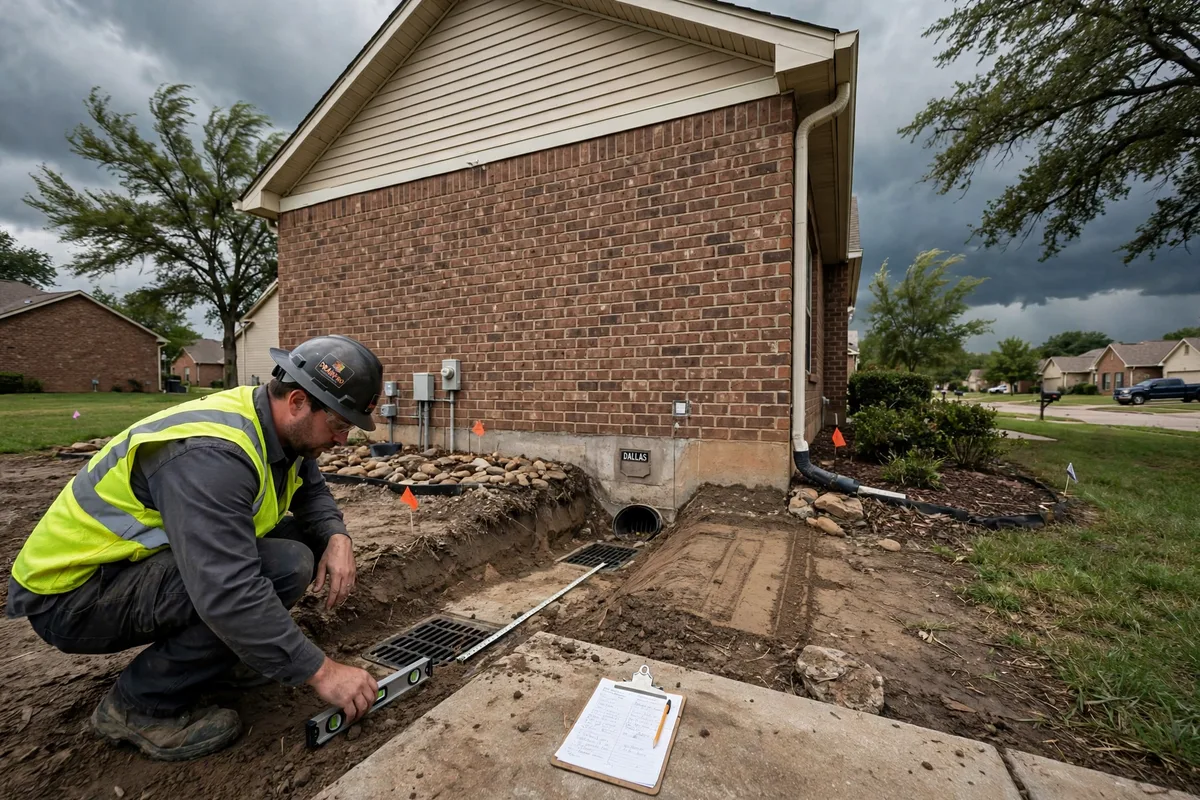
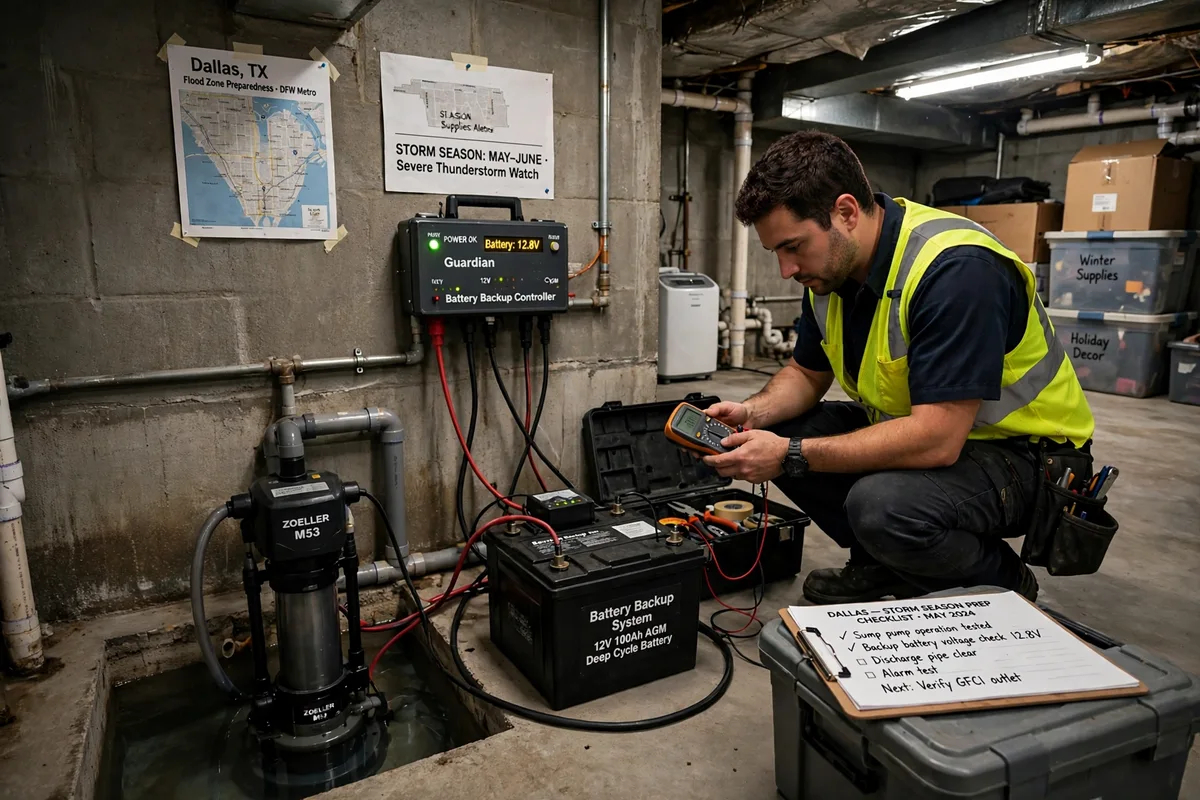
A proper visit covers five systems, in order of failure risk. First, roof and gutters: loose shingles, lifted flashing, clogged gutters, and downspouts that discharge at the foundation rather than away from it. Second, grading and drainage: soil that slopes toward the house, low spots that pond against the slab, and French drains or area drains choked with debris. Third, entry points: basement windows, exterior doors, garage thresholds, and window wells that collect water. Fourth, sump and backup protection: testing the pump, checking the backup battery or water-powered backup, and clearing the discharge line. Fifth, interior readiness: locating the main water shutoff, moving valuables off basement floors, and staging sandbags or flood barriers where water has entered before. The visit ends with a written list of what was fixed, what still needs a roofer or plumber, and what to do if water enters during the storm. The storm damage cleanup guide explains what happens when those systems fail and a crew has to take over. However, a prep visit is not a roof replacement or a drainage rebuild — it is the fast, targeted work that stops the most common failures before a forecast window.
Why does Dallas flooding hit some homes and skip their neighbors?
The difference is almost always drainage, not luck. Dallas clay soil swells when wet and shrinks when dry, which shifts grading over seasons — a yard that drained fine two years ago can now slope toward the foundation. Homes at the bottom of a street slope, beside a creek, or with a neighbor's runoff directed at their lot take water their neighbors never see. Flat lots with no swale, gutters that discharge at the slab, and window wells without drains are the repeat offenders. The Flash Flood Alley guide explains why Dallas terrain makes these failures so common, and the basement flooding guide walks through the entry points water actually uses. Street flooding is a city infrastructure problem, but water inside a home is usually a last-ten-feet problem: the gutters, grading, and drains immediately around the house. However, no prep makes a home flood-proof against a street that becomes a river — prep buys resilience against the storms Dallas actually gets most years, not against a record flood event.
How much does storm prep cost versus storm restoration?
The gap is the whole argument for booking prep. A prep visit — inspection plus targeted fixes like gutter clearing, downspout extensions, drain clearing, and barrier staging — typically costs a few hundred dollars, depending on what needs fixing. A storm water restoration job in Dallas, once water is inside, usually lands between $2,500 and $7,500, covering extraction, drying, material removal, and restoration. A job that runs for hours before discovery, soaks wall cavities, or involves contaminated water runs higher and takes longer. The estimate for emergency restoration is free and confirmed on site after moisture mapping, and most sudden storm losses are covered by homeowners insurance with only the deductible out of pocket. Prep also protects the claim: insurers look kindly on documented prevention, and they look skeptically at repeat losses at the same address with no prevention work on record. However, the cheapest prep quote is not the best one when it skips the roof or the drains — a partial inspection leaves the failure that floods you unexamined.
| Storm prep item | What gets checked or fixed | Failure it prevents |
|---|---|---|
| Gutters and downspouts | Cleared, re-aimed away from slab | Foundation pooling, wall saturation |
| Roof and flashing | Loose shingles, lifted flashing sealed | Attic leaks, ceiling collapse |
| Grading and drains | Low spots, clogged area drains cleared | Water pooling against foundation |
| Sump pump and backup | Pump tested, backup battery checked | Basement flooding during outage |
| Entry points and barriers | Window wells, thresholds, sandbags staged | Water entering at doors and wells |
📞 Storm Prep Before the Rain: +1 214-807-4697
What should I do the day before heavy rain arrives?
Five tasks, all doable in an afternoon. Clear gutters and downspouts by hand if a crew cannot reach you in time, and add temporary extensions so discharge lands at least several feet from the foundation. Move everything off basement and ground-floor floors — boxes, rugs, electronics, stored items — and lift valuables onto shelves. Test the sump pump by pouring water into the pit and confirming it cycles and discharges outside. Charge phones, flashlights, and a battery backup, and know where the main water shutoff and breaker panel sit. Photograph every room and the exterior before the storm, because a pre-storm record makes any claim dramatically easier. If your home has flooded before, stage sandbags or flood barriers at the entry points that failed last time. The flood restoration guide covers what the crew does if water still gets in despite all of it. However, never go onto a roof or into a flooded area during a storm to attempt a fix — prep work happens before the weather, and emergency work during it belongs to professionals with the right equipment.
Will insurance cover storm water damage, or do I need flood insurance?
It depends on where the water came from, and the distinction decides claims. Rain entering through a storm-damaged roof, a failed window, or a backed-up drain that the storm overwhelmed is usually covered as a sudden loss under a standard homeowners policy. Rising water from outside — a creek, a street, or a bayou that overflows into the home — is flood water, and standard policies exclude it; that needs a separate flood policy. Documented prep work strengthens any claim, and documented prior losses without prevention work weaken repeat claims. If water enters, photograph everything before moving anything, keep the prep visit receipt and report, and call for mitigation immediately — additional damage during a delay is routinely excluded, and the delay itself is the one cost no policy reimburses. However, a restoration company cannot guarantee a coverage outcome before seeing your policy, and one that promises one is selling rather than advising.
Important Considerations
Storm prep reduces risk, it does not eliminate it — a record flood overwhelms even well-prepared homes, and honest companies say so rather than selling a guarantee. Texas has no state license specifically for water restoration companies, so check IICRC certification, insurance, and reviews before booking, and be wary of anyone demanding full payment upfront. If water does enter, mold can start within 24–48 hours, drying usually takes 3–5 days with industrial equipment, and the finish line is a verified moisture reading, not surfaces that feel dry. During a metro-wide storm, every company's response stretches — honest companies say so on the call rather than promising a minute they cannot keep. Finally, after any storm loss, ask for the moisture log and photos in writing: they belong to you, your insurer will want them, and any future buyer of the home will ask about the loss.
📞 Free Storm Prep Estimate: +1 214-807-4697
Frequently Asked Questions
How far ahead of a storm should I book storm prep?
As soon as a heavy rain window appears in the forecast — crews book out fast once a warning lands, and during the storm every crew is on emergency calls. A prep visit booked days ahead costs far less than a restoration job booked during the flood.
What does a storm prep visit include?
Roof and gutter checks, downspout direction, grading and drain clearing, entry-point sealing, sump pump and backup testing, and staging barriers where water has entered before. You get a written list of what was fixed and what still needs a roofer or plumber.
How much does storm prep cost in Dallas?
Typically a few hundred dollars for inspection plus targeted fixes, depending on what needs doing. Compare that with $2,500–$7,500 for a storm water restoration job once water is inside, and the math for booking early is clear.
Can storm prep stop all flooding?
No — prep stops the most common failures, not a record flood that turns a street into a river. It buys resilience against the storms Dallas gets most years, and it documents prevention work that strengthens any future claim.
What should I do if water gets in during the storm?
Stay out of standing water, cut power to wet areas if it is safe to do so, photograph everything before moving anything, and call for emergency dispatch. Mitigation should never wait for a coverage decision.
Does homeowners insurance cover storm water damage?
Sudden storm water through a damaged roof, window, or overwhelmed drain is usually covered. Rising flood water from outside is excluded from standard policies and needs a separate flood policy.
How fast does mold start after storm water?
Mold can start growing in wet materials within 24–48 hours, which is why drying cannot wait for the weekend. Most residential drying jobs take 3–5 days with industrial equipment and daily moisture readings.
Do I need sandbags for a Dallas home?
Only if your home has flooded before or sits low relative to the street or a nearby creek. A prep visit identifies the entry points that failed last time and stages barriers exactly there, rather than guessing.
What areas of Dallas do you cover for storm prep?
Downtown, Uptown, Lakewood, Frisco, Plano, and surrounding Dallas neighborhoods — the same coverage area as the 24/7 emergency restoration crew, so one call handles both prep and any storm response.
Can I do storm prep myself instead of hiring a crew?
The basic tasks — clearing gutters, extending downspouts, moving items off floors, testing a sump pump — are doable in an afternoon. A crew adds roof inspection, drain diagnosis, and the documentation insurers value, plus the emergency number already in your phone if water still gets in.
Why should I call Water Damage Restoration Dallas for storm prep?
Local Dallas crews, prep visits before the forecast window, 24/7 emergency restoration on standby with around 60-minute arrival, free estimates, and insurance documentation from the first visit — one company for before, during, and after the storm.
📞 Call Water Damage Restoration Dallas 24/7: +1 214-807-4697
Related Dallas Water Damage Guides
- What to Do When Your House Floods in Dallas, TX: The Right Steps in the Right Order
- Standing Water in Your House: When DIY Cleanup Is Enough — and When to Call a Pro
- Flooded House Electrical Safety: What to Shut Off, What Never to Touch
- How to Save Your Belongings After Water Damage: A Triage Guide for Dallas Homes