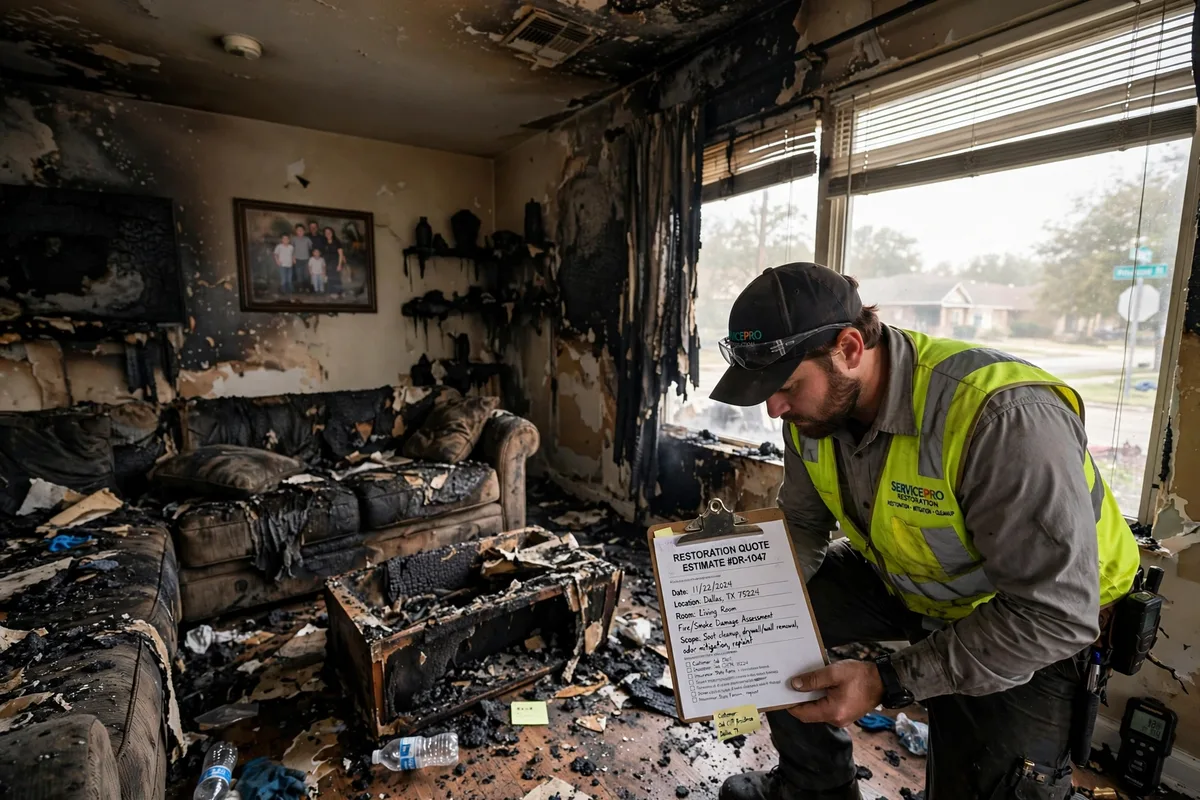
Fire Damage Restoration Cost in Dallas: Get a Free Quote Today
TLDR
- Who gives free fire damage restoration quotes in Dallas?: Water Damage Restoration Dallas — 24/7 live answer, same-day dispatch, around 60-minute arrival: +1 214-807-4697.
- What is the average fire damage restoration cost in Dallas?: The Dallas average is $29,077, with most jobs falling between $4,357 and $57,916 depending on scope.
- What does a small fire job cost?: A light smoke job in one room can run $200–$1,200, while soot and odor removal across several rooms typically runs $2,000–$6,000.
- What does a major fire job cost?: Moderate structural cleaning runs $15,000–$50,000, and a severe rebuild can run $50,000–$180,000 or more.
- Why are fire claims so large?: Fire claims average $88,170, making them the most expensive homeowners claims — because one fire creates soot, smoke, water, and structural damage at once.
- Does insurance cover fire damage restoration?: Most standard homeowners policies cover sudden fire damage, with the homeowner usually paying only the deductible.
- How fast should restoration start?: Immediately after fire-department clearance — soot is acidic and corrodes surfaces within hours, and water from firefighting feeds mold within 24–48 hours.
🚨 FIRE DAMAGE IN YOUR DALLAS HOME? Do not wait for the quote to come to you. We answer live 24/7, dispatch the same day, arrive in around 60 minutes, and give free estimates — board-up, soot removal, odor control, drying, and rebuild in one call.
📞 Fire Damage? Call Now: +1 214-807-4697
A fire damage quote is not one number — it is four jobs stacked on top of each other, and the price depends on which of those jobs your home actually needs. The four layers are soot and smoke cleaning, water mitigation from firefighting, odor removal, and structural repair or rebuild, and a small kitchen fire may need only the first two while a whole-house fire needs all four. Dallas averages tell the story: the city average for fire damage restoration is $29,077, with a typical range of $4,357 to $57,916, and costs run $4–$7 per square foot for the restoration scope. Fire claims average $88,170 across the industry, which is why insurers treat fire as the highest-value claim type and why documentation from the first visit matters so much. Water Damage Restoration Dallas gives free on-site estimates across Dallas — Downtown, Uptown, Lakewood, and surrounding neighborhoods — with IICRC-certified technicians and direct insurance billing. However, no honest company can price a fire job over the phone: the real number comes from an on-site scope after board-up and assessment, and any quote given sight-unseen is a guess dressed as a price.
What drives the cost of fire damage restoration?
Five factors set the price, and they explain why two fires in similar homes can cost wildly different amounts. First, the area affected: one room of light smoke versus a whole house of heavy soot is the single biggest price difference. Second, the soot type: dry soot wipes off more easily, while wet, oily, or protein soot from a kitchen fire bonds to surfaces and needs specialized cleaning agents. Third, water damage from firefighting: hoses and sprinklers soak the structure, and that water job — extraction, drying, and sometimes mold prevention — runs $1,000–$6,000 on its own. Fourth, contents: furniture, electronics, and documents need pack-out, cleaning, and storage, and extinguisher residue is corrosive to electronics if left sitting. Fifth, structural scope: cleaning and repainting versus replacing drywall, framing, and finishes is the difference between a five-figure job and a six-figure one. The emergency fire restoration guide walks through the full sequence from board-up to rebuild. However, the cheapest scope is not always the right scope: skipping odor treatment or structural drying to save money leaves a home that smells like smoke and grows mold behind the walls.
How much does each stage of fire restoration cost?
Breaking the job into stages makes the quote readable, and a readable quote is how you spot padding or gaps. Board-up and emergency securing is the first charge, and it prevents theft, weather, and vandalism damage while the claim is processed. Soot removal runs $2,000–$6,000 for a typical multi-room scope, with duct cleaning adding $250–$500 when the HVAC system carried soot through the house. Odor removal runs by method: thermal fogging $200–$600, ozone treatment $400–$800, plus hydroxyl treatment and sealing for stubborn protein-soot odor. The water side — extraction and structural drying after firefighting — usually lands in the $1,000–$6,000 band, and a typical Dallas water job overall lands between $2,500 and $7,500. Contents cleaning and pack-out is priced by volume and item type, and rebuild is priced by the square foot once the structure is clean and dry. The repair-versus-restoration guide draws the line between fixing damage and returning a home to pre-loss condition. However, a quote that lists only a single lump sum hides all of this — ask for the itemized scope, line by line, before signing anything.
| Fire job scope | Typical Dallas cost | What it covers |
|---|---|---|
| Light smoke, one room | $200–$1,200 | Cleaning, light deodorizing |
| Soot + odor, multi-room | $2,000–$6,000 | Full cleaning, fogging, ducts |
| Firefighting water damage | $1,000–$6,000 | Extraction, drying, monitoring |
| Moderate, structural cleaning | $15,000–$50,000 | Cleaning plus repairs |
| Severe fire, rebuild | $50,000–$180,000+ | Reconstruction to pre-loss state |
📞 Free Fire Damage Quote: +1 214-807-4697
What will insurance pay for fire damage restoration?
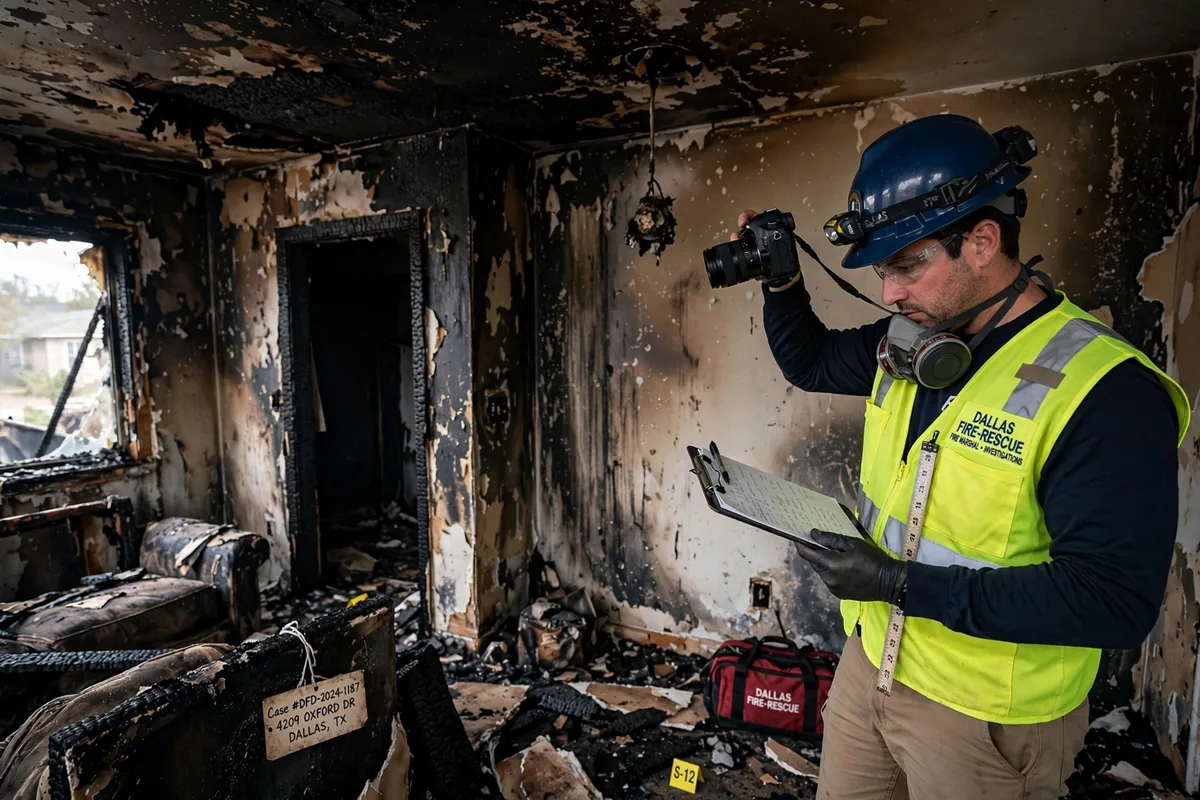
Most standard homeowners policies cover sudden fire damage, including the structure, contents, and additional living expenses while the home is uninhabitable — and that coverage is the reason fire claims average $88,170. The claim process starts with documentation: photos and video of every room before anything is cleaned or thrown away, an inventory of damaged contents, and the fire department report. The adjuster then scopes the loss, and the restoration company should meet the adjuster on site with its own itemized scope — two scopes that match get approved faster than one scope argued over for weeks. Additional living expense coverage pays for temporary housing, meals, and storage while restoration runs, which matters when a rebuild takes months rather than weeks. The flood restoration guide shows how documentation habits protect a claim in any disaster category. However, coverage has limits and exclusions — arson, neglected maintenance that caused the fire, and underinsurance all reduce or void a claim — so read the policy declarations page before assuming the full rebuild is covered.
How can Dallas homeowners keep fire restoration costs down?
The biggest cost control is speed, not bargaining. Soot is acidic and corrodes metal fixtures, appliances, and electronics within hours, so every day of delay turns a cleaning job into a replacement job. Never run the HVAC system after a fire until it has been inspected — one cycle spreads soot and odor through ductwork into rooms that were clean, turning a one-room job into a whole-house job. Do not wet-clean soot yourself: water smears soot and sets stains permanently, and DIY cleaning without PPE and HEPA equipment exposes you to carcinogenic particles. Secure the property immediately with board-up, because a burned home left open invites theft and weather damage that insurers may not cover as part of the fire loss. Keep every receipt from the first night — hotel, meals, tarps, storage — because additional living expense coverage reimburses documented costs, not remembered ones. The mold remediation guide explains why the water left by firefighting must be dried within 24–48 hours before mold starts. However, the cheapest way to control cost is still the hardest one to hear after a fire: do nothing yourself except call, document, and wait for clearance and professionals.
Important Considerations
A fire restoration quote should be itemized, in writing, and tied to a scope that the adjuster can verify — a lump-sum verbal quote is not a quote at all. Texas has no state license specifically for restoration companies, so check IICRC certification (including FSRT for fire and smoke), insurance, and reviews before hiring, and be wary of anyone demanding full payment upfront. If the job involves mold from firefighting water, Texas rules require a licensed mold assessment consultant's protocol for remediation in many cases, and remediation follows drying rather than preceding it. Winter is Dallas fire season — space heaters, holiday cooking, and older wiring in neighborhoods like Oak Cliff drive the annual spike — so a company that is honest about response times during a cold snap is worth more than one that promises a minute it cannot keep. Finally, keep the fire department clearance, the adjuster's scope, the contractor's scope, and every receipt in one file: the claim, the rebuild, and any future sale of the home will all ask for them.
📞 Same-Day Fire Assessment: +1 214-807-4697
Frequently Asked Questions
How much does fire damage restoration cost in Dallas?
The Dallas average is $29,077, with most jobs between $4,357 and $57,916. Light smoke jobs can cost $200–$1,200, moderate structural cleaning runs $15,000–$50,000, and severe rebuilds run $50,000–$180,000 or more. Your free on-site quote will itemize the scope for your home specifically.
What is included in a fire damage restoration quote?
A complete quote covers board-up, soot removal, odor treatment, water mitigation from firefighting, contents cleaning, and repairs or rebuild. Ask for the itemized scope line by line — a single lump sum hides what is actually included and what is not.
Does homeowners insurance cover fire damage restoration?
Most standard policies cover sudden fire damage to the structure and contents, plus additional living expenses while the home is uninhabitable. You usually pay only your deductible, but coverage limits and exclusions apply, so review the declarations page early.
How much does soot removal cost on its own?
Soot removal typically runs $2,000–$6,000 for a multi-room scope, with duct cleaning adding $250–$500. Thermal fogging runs $200–$600 and ozone treatment $400–$800 for odor work, depending on severity and square footage.
Why do fire claims average $88,170?
One fire creates four damage types at once — soot, smoke odor, firefighting water damage, and structural damage — plus contents losses and temporary housing costs. That stacking is why fire is the most expensive homeowners claim category.
How long does fire damage restoration take?
Smoke-only jobs take days to two weeks, full cleanups take weeks, and major rebuilds can take six to twelve months. The timeline depends on structural scope, permit and adjuster timing, and how quickly mitigation started after clearance.
Should I clean soot myself to save money?
No — wet-cleaning soot first smears it and sets stains permanently, and soot particles are carcinogenic without PPE and HEPA equipment. DIY cleaning usually raises the final bill by turning a cleaning job into a replacement job.
Does firefighting water damage add to the cost?
Yes — hoses and sprinklers soak the structure, and that water job runs $1,000–$6,000 on its own. It must be dried within 24–48 hours, or mold starts in the wet materials and adds a remediation scope to the fire scope.
Can I stay in my home during fire restoration?
Usually not until clearance, cleaning, and odor treatment are complete — soot and smoke residue are health hazards, and the structure may be unsafe. Additional living expense coverage pays for temporary housing in most policies.
What should I do first after a fire in Dallas?
Wait for fire-department clearance, do not re-enter or clean anything, photograph everything, and call a restoration company for board-up and assessment. Fast professional response protects both the home and the insurance claim.
Why should I call Water Damage Restoration Dallas for fire damage?
Local Dallas crews, 24/7 live answer, around 60-minute arrival, board-up plus soot, odor, drying, and rebuild in one call, free estimates, and insurance documentation from the first visit.
📞 Call Water Damage Restoration Dallas 24/7: +1 214-807-4697